办公技巧英文怎么说

In the fast - paced and highly competitive modern working environment, mastering office skills in English is not only a valuable asset but also a necessity for career advancement. English has become the lingua franca in the global business community, and efficient use of office skills specifically in this language can significantly enhance productivity, communication, and overall performance in the workplace.
One of the fundamental office skills in English is proficient use of email communication. Emails are the backbone of business correspondence, and writing clear, concise, and professional emails in English can make a huge difference. When composing an email, it's essential to start with a proper salutation. For example, "Dear Sir/Madam" when the recipient's name is unknown, or "Dear [First Name]" in a more informal business setting. The subject line should accurately summarize the content of the email to help the recipient quickly understand its purpose. In the body of the email, organize your thoughts logically. Use short paragraphs and bullet points if necessary to present information clearly. Avoid using overly complex language or jargon that the recipient may not understand. Also, pay close attention to grammar and spelling mistakes, as these can undermine your credibility. After the main content, end with a polite closing such as "Best regards" or "Sincerely" followed by your name.
Another important aspect is making effective presentations in English. Good presentation skills can help you convey your ideas and influence decisions in the office. First, plan your presentation carefully. Determine the main points you want to make and arrange them in a logical sequence. Use visual aids such as slides, charts, and graphs to illustrate your points and make the presentation more engaging. When speaking in English during the presentation, speak clearly and at an appropriate pace. Maintain eye contact with your audience and use gestures to enhance your message. Practice your presentation beforehand to ensure you are comfortable with the content and can answer questions from the audience. You can also use storytelling techniques to make your presentation more memorable.
Furthermore, handling meetings in English requires its own set of skills. Arrive at the meeting on time and be prepared with any necessary materials or information. Listen actively to others' opinions and contributions. When it's your turn to speak, express your thoughts clearly and concisely. Use appropriate phrases to introduce your ideas, such as "In my opinion" or "I would like to suggest". If you don't understand something that is said, don't hesitate to ask for clarification. For example, you can say "Could you please explain that point again?" or "I'm not sure I follow. Can you elaborate?" After the meeting, summarize the key decisions and action items in a follow - up email to ensure everyone is on the same page.
File management and organization in an English - speaking workplace are also crucial. Name your files in a way that is easy to understand and search for. Use proper categorization and create folders for different projects or types of documents. For example, you might have folders for "Client Projects", "Financial Reports", and "Meeting Minutes". This not only helps you find files quickly but also makes it easier for your colleagues or superiors to access relevant information.
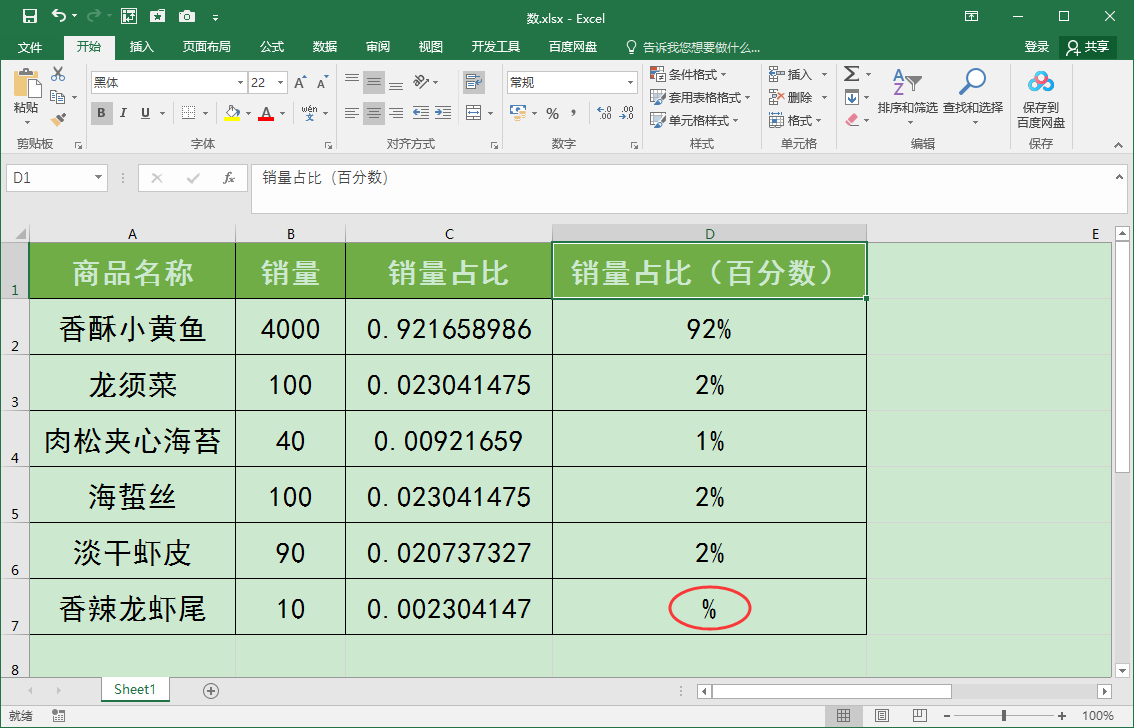
In addition, using English in software applications is an important office skill. Many office applications, such as Microsoft Word, Excel, and PowerPoint, have English - based interfaces. Familiarize yourself with the menu options, commands, and functions in English. Learn keyboard shortcuts to speed up your work. For instance, in Word, you can use "Ctrl + C" to copy and "Ctrl + V" to paste. In Excel, functions like "SUM", "AVERAGE", and "VLOOKUP" are essential for data ysis, and understanding how to use them in an English environment is vital.
Moreover, networking and building professional relationships in English - speaking workplaces rely on good communication skills. Engage in conversations with colleagues during breaks or over lunch. Participate in office events and social activities. When talking to new people, make small talk about work - related topics or general interests. This helps you build a network of contacts and can lead to new opportunities or collaborations.
To continuously improve your office skills in English, you can take training courses, read English - language business books and articles, and practice speaking and writing English in real - life work situations. You can also seek feedback from your colleagues or supervisors to identify areas for improvement. By mastering office skills in English, you will be better equipped to succeed in the global business world and achieve your career goals.
In conclusion, office skills in English cover a wide range of areas, from communication to software usage and file management. Developing and honing these skills is an ongoing process that can bring significant benefits to your professional life. With dedication and practice, you can become more proficient and confident in using English in the office, which will undoubtedly enhance your performance and career prospects.
支付宝扫一扫
微信扫一扫